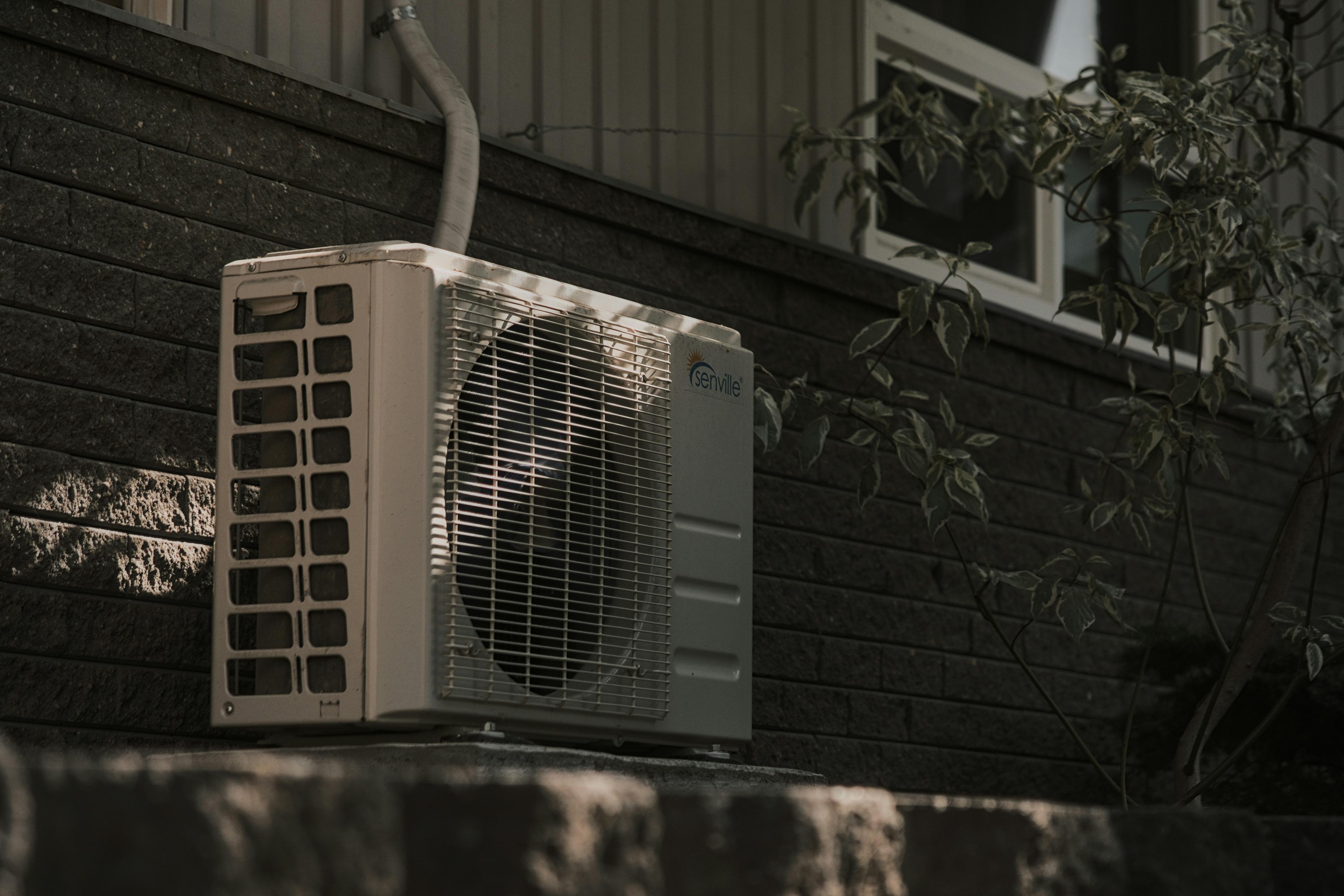
Cooling systems work best when airflow, refrigerant, coils, and controls stay balanced.
Cooling service
Understanding how your home cooling system works.
A cooling system does not simply create cold air. It lowers the temperature in your home by removing heat from indoor air and moving that heat outside.
Central air conditioning uses refrigerant, an indoor coil, a blower fan, a compressor, and an outdoor condenser to repeat this heat-transfer cycle. When everything is working correctly, warm air is pulled through the system, cooled, and delivered back through the supply vents.
If airflow, refrigerant pressure, coils, or controls fall out of balance, the system may run longer, cool unevenly, freeze up, or stop keeping up with hot weather.
The core components
Indoor and outdoor parts of central cooling
Inside the home
Indoor Unit
The indoor side of the system is responsible for pulling heat out of your home's air and moving newly cooled air back into the living space. Good airflow is essential here because the system needs steady air movement across the coil to cool properly.
Evaporator coil
Warm indoor air passes across this cold coil. Refrigerant inside the coil absorbs heat from the air, which is what makes the air feel cooler before it returns to the rooms.
Blower fan
The blower pulls warm air through the return vents, pushes it over the evaporator coil, and sends cooled air back through the supply vents.
Air filter and return path
The filter and return ductwork help keep air moving through the system. Restricted airflow can reduce comfort, freeze the coil, and make the system work harder.
Outside the home
Outdoor Unit
The outdoor unit gets rid of the heat that was collected indoors. It changes refrigerant pressure and temperature so the system can release heat outside and send refrigerant back inside to absorb more heat.
Compressor
The compressor pressurizes warm refrigerant gas from inside the home, raising its temperature so the heat can be released outdoors.
Condenser coil
Hot refrigerant moves through the outdoor coil, where heat transfers into the outside air and the refrigerant begins turning back into a liquid.
Condenser fan
The outdoor fan pulls air across the condenser coil, helping carry heat away from the refrigerant so the cooling cycle can continue.
When to call
Signs your cooling system needs service
Cooling problems often show up as weak airflow, poor comfort, strange operation, or rising utility costs. Scheduling service early can help protect the system before a small issue becomes a full breakdown.